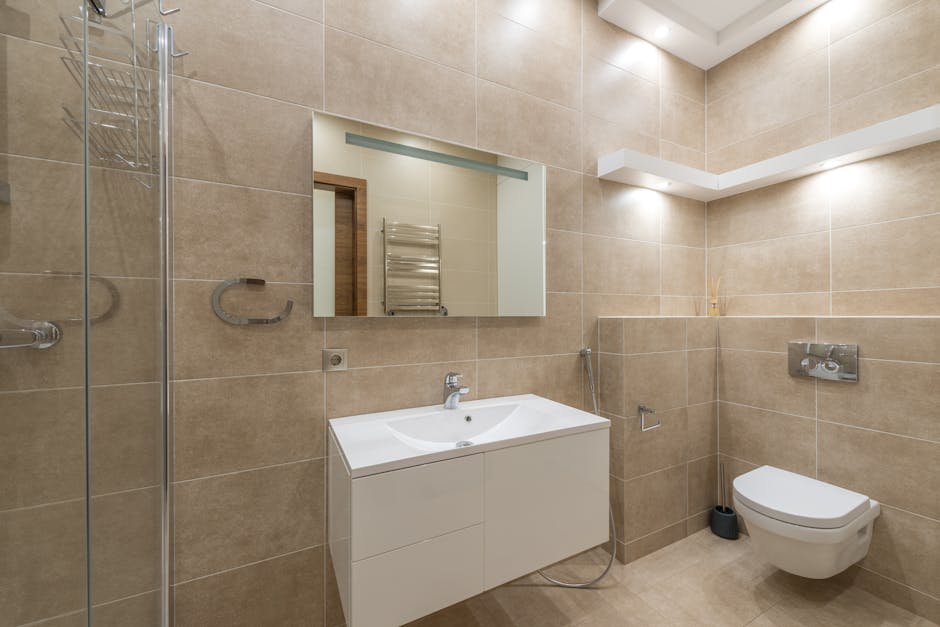
To prevent mold mildew bathrooms Houston homeowners must address the unique challenges posed by the city's humid climate. After a bathroom remodel, residual moisture and poor ventilation can create ideal conditions for mold growth and mildew infestations.
These issues not only damage surfaces but also pose serious health risks like allergies and respiratory problems. Properly managing humidity levels, selecting mold-resistant materials, and ensuring effective airflow are critical steps to protect your investment.
Local contractors in Houston often emphasize that overlooking these factors after remodeling can lead to costly repairs and persistent water damage. Homeowners looking to maintain a safe, clean bathroom environment should understand the best practices to combat mold and mildew effectively in Houston’s climate.
Why It Matters in Houston, TX
Houston's humid climate and frequent heavy rainfall create an ideal environment for mold and mildew growth in bathrooms, especially after remodeling projects. Poor ventilation or residual moisture from construction can accelerate water damage and compromise indoor air quality.
Addressing these issues promptly is critical to prevent health risks, structural deterioration, and costly repairs in Houston homes. Understanding the unique humidity levels and building practices in Houston helps homeowners implement effective mold prevention strategies tailored to local conditions.
Understanding Houston’s Climate Impact on Bathroom Mold and Mildew Growth
Houston’s high humidity and consistently warm temperature create an environment that significantly increases the risk of mold and mildew growth in bathrooms. The city’s average relative humidity often exceeds 70%, which, combined with frequent rainfall, leads to persistent residual moisture in indoor spaces.
After remodeling, newly installed materials can absorb this moisture, providing ideal conditions for fungal proliferation.
In Houston, the combination of warm temperatures ranging from the mid-70s to mid-90s year-round and elevated humidity levels means that bathrooms are especially vulnerable.
Even small amounts of water left on surfaces or trapped within walls can foster rapid mold and mildew development, which may not be immediately visible but can cause long-term water damage and health risks.
Key Climate Factors Affecting Mold and Mildew in Houston Bathrooms
- Humidity: Persistent high indoor moisture promotes fungal growth on porous surfaces like drywall and wood.
- Temperature: Warm conditions accelerate mold spore germination and colony expansion.
- Residual Moisture: Water trapped in remodeling materials such as grout or caulking can remain damp for extended periods.
- Poor Ventilation: Limited airflow exacerbates humidity buildup, intensifying mold risk.
Homeowners in Houston should recognize how the local climate influences bathroom environments post-remodel. Understanding these factors is essential to selecting appropriate materials and implementing measures that mitigate mold mildew growth caused by the city’s unique humidity and temperature profile.
Choosing Mold-Resistant Materials for Houston Bathroom Remodels
When undertaking a bathroom remodel in Houston, selecting mold-resistant materials is essential to combat the city's high humidity levels and frequent moisture exposure. Materials such as cement backer boards instead of traditional drywall provide a sturdy, water-resistant substrate that significantly reduces the risk of mold growth.
Additionally, using moisture-resistant paints with antimicrobial additives on walls and ceilings can create a protective barrier against mildew development.
Tile and stone finishes are popular choices in Houston bathrooms due to their durability and resistance to water damage. Porcelain or ceramic tiles with epoxy grout are especially effective at minimizing residual moisture, which otherwise fosters mold mildew growth.
Homeowners should also consider vinyl flooring options designed for wet environments, as these materials do not absorb water and inhibit fungal colonization.
Recommended Mold-Resistant Materials for Houston Bathrooms
- Cement backer boards: Provide a moisture-resistant base behind tiles.
- Epoxy grout: Prevents water infiltration and resists staining.
- Moisture-resistant paints: Contain antimicrobial agents to deter mold spores.
- Porcelain or ceramic tiles: Durable, non-porous surfaces ideal for humid climates.
- Vinyl flooring: Waterproof and easy to maintain in damp conditions.
Selecting these mold-resistant materials during a Houston bathroom remodel helps mitigate the risks associated with the city’s humid climate. Professional contractors typically recommend these options to ensure long-term protection against mold mildew, ultimately reducing the likelihood of costly repairs and maintaining healthier indoor air quality.
Pro Tip: Maintaining Houston Bathrooms Mold-Free After Remodeling
After a bathroom remodel in Houston, it is crucial to maintain proper ventilation to reduce humidity levels that foster mold mildew growth. Installing or upgrading exhaust fans with sufficient capacity helps remove residual moisture. Regularly inspecting for water damage and promptly addressing leaks can prevent costly mildew growth.
Homeowners should also continue using mold-resistant materials and keep surfaces dry to sustain a healthier, mold-free environment in the city’s humid climate.
Effective Ventilation Solutions to Prevent Mold and Mildew in Houston Bathrooms
Proper ventilation is a critical component in managing moisture control within Houston bathrooms, especially after remodeling projects. In a city known for its humid climate, inadequate airflow can lead to persistent mold mildew problems that compromise both the structure and air quality.
Professional contractors typically recommend installing high-capacity bathroom fans designed to exhaust moist air directly outdoors, thereby reducing condensation on walls and ceilings.
To optimize ventilation, Houston homeowners should consider fans with at least 50 cubic feet per minute (CFM) for small bathrooms, scaling up to 100 CFM or more for larger spaces. These units often include humidity sensors that activate automatically when moisture levels rise, ensuring consistent airflow without manual intervention.
Properly vented fans must discharge air outside the home rather than into attics or crawl spaces, as improper venting can create hidden pockets of residual moisture conducive to mildew growth.
Additional Ventilation Strategies
- Window ventilation: When feasible, opening windows during and after showers enhances natural airflow and aids in drying surfaces.
- Dehumidifiers: Portable or built-in units help maintain lower humidity levels in bathrooms lacking adequate mechanical ventilation.
- Continuous ventilation: Installing fans that run at low speed continuously helps maintain steady air exchange, preventing moisture buildup.
- Regular fan maintenance: Cleaning and inspecting bathroom fans ensures optimal performance and longevity.
Local mold remediation contractors in Houston often emphasize that integrating these ventilation solutions during or after remodeling projects is essential to safeguard against costly water damage and persistent mold mildew issues common in the area’s humid climate.
Homeowners looking for effective moisture control should expect to invest in quality ventilation systems tailored to their bathroom size and usage patterns.
Routine Maintenance Practices to Keep Mold and Mildew at Bay in Houston Bathrooms
Routine maintenance and diligent cleaning are vital for mold prevention in Houston bathrooms, where the humid climate can encourage rapid mildew growth. Homeowners should establish daily and periodic upkeep habits designed to minimize residual moisture and inhibit mold mildew recurrence after a bathroom remodel.
Daily routines often include wiping down wet surfaces such as shower walls, sinks, and countertops with a squeegee or absorbent cloth to reduce lingering moisture. Additionally, running exhaust fans during and after showers helps lower humidity levels, while keeping bathroom doors or windows open when possible promotes air circulation.
These small actions contribute significantly to controlling water damage risks associated with mold growth.
Periodic Maintenance Tasks for Houston Bathrooms
- Deep cleaning grout lines and caulking: Using mold-inhibiting cleaners every 1-2 weeks prevents buildup that fosters mildew.
- Inspecting plumbing fixtures: Checking for leaks around faucets, pipes, and toilets helps avoid unnoticed water accumulation that can lead to mold.
- Replacing shower curtains or liners: Regular replacement every few months reduces mold reservoirs.
- Cleaning ventilation systems: Ensuring exhaust fans and ducts are free of dust enhances airflow efficiency for moisture control.
Professional companies in Houston typically recommend combining these routine practices with periodic inspections to identify early signs of mold before they escalate into costly repairs.
Homeowners looking to maintain a healthy bathroom environment should expect to incorporate these maintenance steps into their ongoing cleaning schedules to combat the challenges posed by Houston’s city humid conditions.
Preventing Mold and Mildew in Houston Bathrooms After Remodeling
| Option | Pros | Cons | Best For |
|---|---|---|---|
| Installing Exhaust Fans | Reduces humidity levels, improves air circulation, limits residual moisture | Installation costs vary, requires proper sizing, needs regular cleaning | Bathrooms with poor ventilation, high usage frequency |
| Using Mold-Resistant Paints and Sealants | Inhibits mold growth, easy application, affordable protection | Periodic reapplication needed, less effective on severe moisture issues, limited lifespan | Recently remodeled surfaces, low to moderate humidity areas |
| Applying Waterproof Membranes Under Tiles | Prevents water penetration, protects subflooring, reduces water damage risk | Higher upfront cost, requires professional installation, not a standalone mold solution | Showers and wet zones, bathrooms with slab floors |
| Regular Professional Mold Inspections | Early detection of mold presence, prevents costly repairs, ensures healthy indoor air quality | Ongoing expense, depends on contractor availability, does not prevent mold alone | Homes with previous mold issues, high humidity environments |
Frequently Asked Questions
What are the first steps to take if mold is found after a bathroom remodel?
Local mold remediation contractors typically recommend identifying and addressing residual moisture sources immediately. This includes checking for leaks, improving ventilation, and drying affected areas within 1-2 weeks to prevent extensive mold growth and costly water damage.
Can mold-resistant paint help prevent mold and mildew in Houston bathrooms?
Professional companies in Houston often suggest using mold-resistant paints as part of an overall strategy. These paints inhibit mildew growth on surfaces exposed to humidity levels typical in Houston bathrooms, but should be combined with proper ventilation and moisture control for best results.
How important is ventilation after a bathroom remodel to prevent mold?
Effective ventilation solutions are crucial in managing moisture and reducing humidity levels in bathrooms. Houston’s humid climate can exacerbate mold growth, so installing or upgrading exhaust fans helps maintain air quality and prevents mildew growth.
What routine maintenance helps keep mold and mildew away post-remodel?
Homeowners should regularly inspect for leaks and promptly repair any plumbing issues. Consistent cleaning to remove soap scum and residual moisture, along with ensuring exhaust fans are functioning properly, supports long-term prevention of mold mildew in Houston bathrooms.
Are there specific materials that should be avoided to reduce mold risk in bathroom remodels?
Porous materials like untreated wood and standard drywall tend to retain moisture, increasing the risk of mold growth. In Houston, contractors often recommend choosing mold-resistant materials designed for humid climates to minimize future water damage and mildew growth.
Preventing mold growth and mildew in Houston bathrooms after a remodel requires attention to moisture control, ventilation, and the use of appropriate materials. Addressing residual moisture promptly and maintaining proper humidity levels can significantly reduce the risk of water damage and costly repairs.
Homeowners should consider consulting local mold prevention experts familiar with Houston’s humid climate. Get matched with vetted Bathroom Remodel in Houston, TX via our to connect with professionals who can help protect your investment and improve indoor air quality.